Consumer psychology is becoming the new compass for braNDS
Today’s marketplace is evolving at unthinkable speeds. Specifically in the fashion industry, it is well known that the majority of the cash flow is driven by desire. So we know that the product alone doesn’t win consumer hearts - psychology does. Consumers are adding a few more steps to their decision-making process when considering a purchase. Brands that understand this shift will position themselves at the forefront of this new conversation.
Here are three trends reshaping consumer behavior right now:

The Rise of Micro-Identities
Consumers are no longer defining themselves in general terms and broad demographics. Now, they are starting to align with niche communities and micro-identities. Micro-identities are the smaller, more granular parts of a larger identity. Take the “clean girl” and “rich auntie” looks, for example. These are two sides of the same chic minimalist coin. Brands can use this to their advantage by tapping into these nuanced self-concepts and offering personalization that feels authentic rather than mass-marketed.
2. Cognitive Load and Choice Fatigue
With endless options and more being added every day, consumers crave simplicity. Brands that reduce friction can become trusted guides in a noisy world.
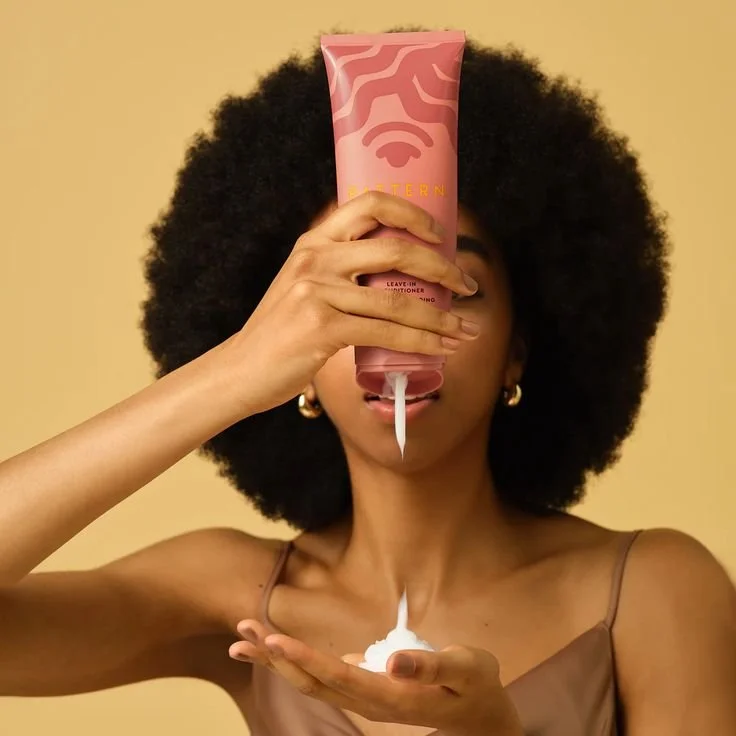
A couple of ways they can do this are with curated collections and storytelling. Pattern Beauty does an excellent job of this with their distinct purpose and easy-to-spot branding. Tracee Ellis Ross crafted this brand specifically for people with kinky and coily hair after noticing an unmet need in the marketplace. Consumers are loyal to this brand because it eliminates the choice fatigue and cognitive load of digging for hair care products that actually work.

3. Value Driven Decision Making
Maslow’s hierarchy is evolving. Self-actualization can now include sustainability, inclusivity, and ethical consumption. Today’s consumers expect brands to reflect their values, not just their needs.
A prime example of this is the decline of Target, characterized by falling sales, a significant drop in stock value, and declining profits, driven by factors like consumer spending changes, recent DEI-related controversy, and a perceived loss of its stylish merchandise appeal.
Takeaway
Brands in alignment with these psychological shifts don’t just sell, they lead. They become a vital part of the consumer’s journey, contributing to not only what people buy, but how they see themselves.
